


Photo credit: Mother Tree Project & Program
This research brief summarizes research findings from the peer-reviewed article published in April 2026 in Frontiers in Forests and Global Change.
Authors: Jean Roach, Zoe Neudorf, Magali Holt-Lachance, Erin Miller, Elias Newport, Alyssa Robinson, Amanda Weber-Roy, Suzanne Simard
In the wake of increased temperatures, droughts, and ongoing climate change, wildfire risk, frequency, and intensity has increased across British Columbia. In recent years, these wildfires have decimated communities and ecosystems across the province, contributing to altered landscape ecologies and the release of greenhouse gasses. In an attempt to reduce the intensity and severity of wildfires, risk reduction treatments are being applied across the province.
Treatments are typically a combination of different methods including hand or machine thinning and removal of downed wood. Thinning aims to reduce the likelihood of forest crown fires, while removal of downed woody debris decreases ground fuels. In some cases, treatment methods include prescribed burning. Prescribed burning is a cultural practice that has been used by Indigenous Peoples for centuries to reduce the risk of high-intensity fires and increase access to food. However, this practice was banned under colonial law and has only recently regained use within forest management practice.
Fire reduction treatments are becoming commonplace, however, there has been limited research in British Columbia on potential trade-offs between reduced fire risk and ecological values. Understanding localized effects of treatments on ecosystem structure and function is crucial to ensure that unanticipated negative ecological impacts do not occur.
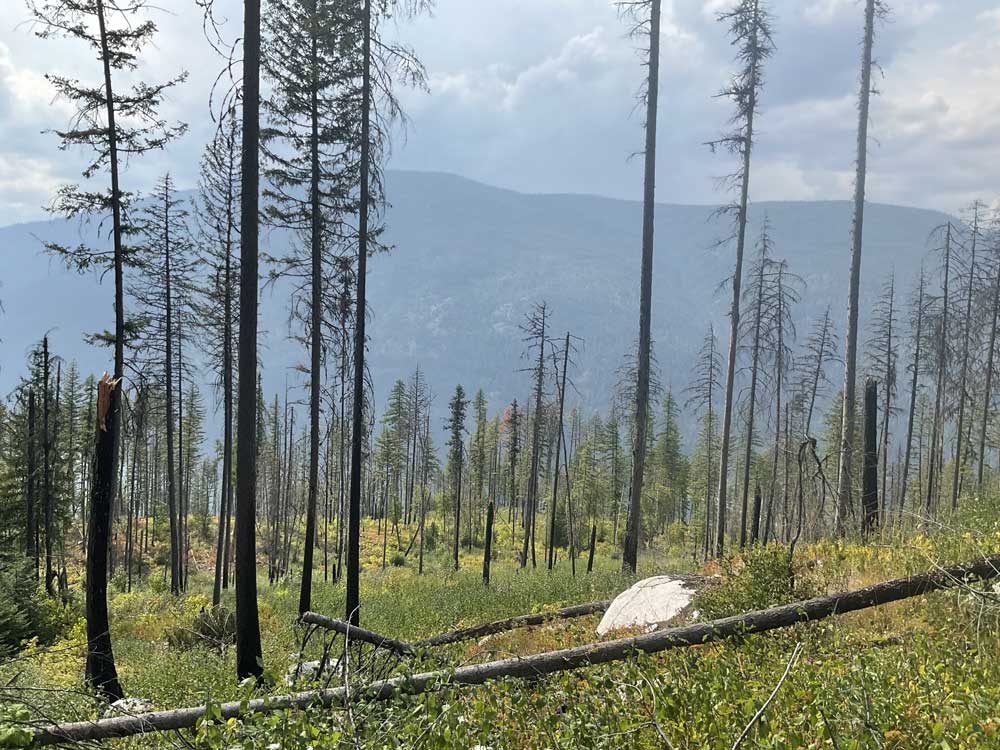
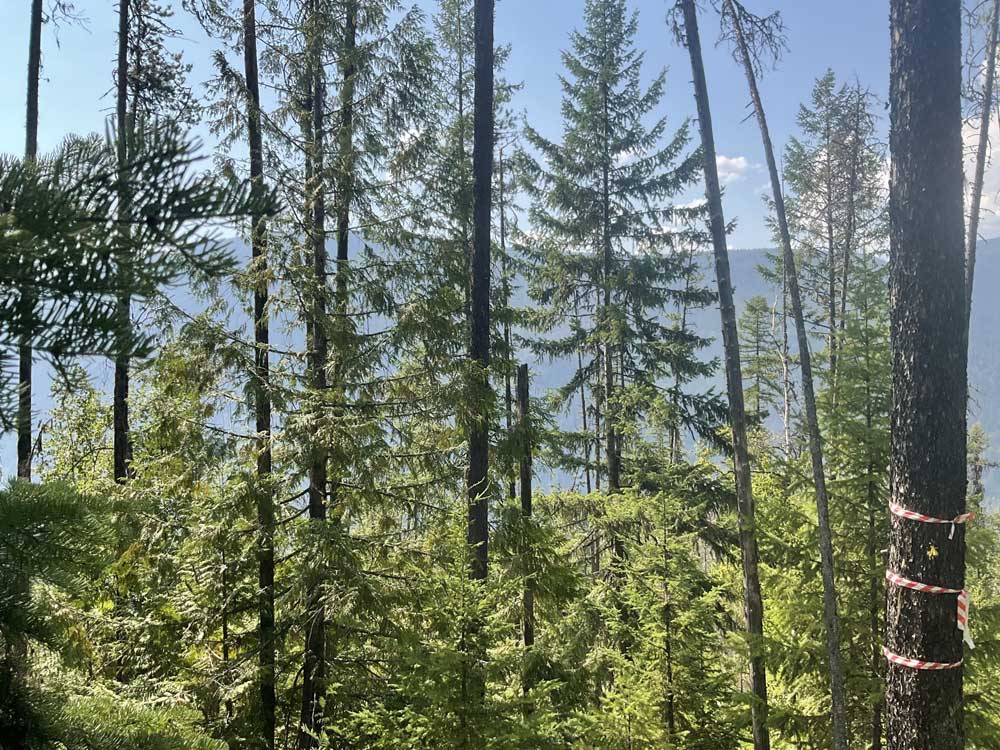
Photo credit: Mother Tree Project & Program
This study was conducted in a mixed-species forest in the West Kootenay region of interior B.C., with a treated area paired with a nearby untreated forest. The forest was thinned, woody debris was partially removed, and a burn was conducted in the fall. Measurements were taken four years post-treatment to understand short-term effects, with future remeasurements planned to understand longer-term impacts.
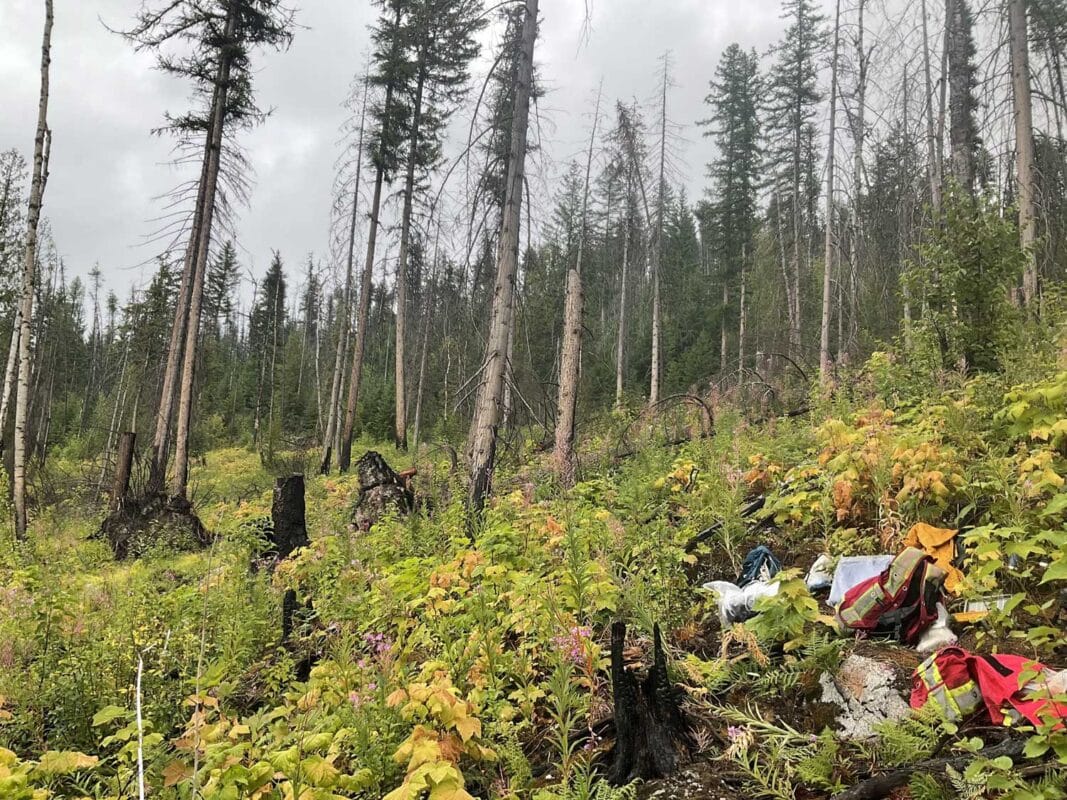
The researchers found that while thinning followed by prescribed burning reduced fire risk, the treatment came at a cost to carbon stocks. The treatment also altered the plant community including an increase in flammable herbaceous plants. Following the treatment, there was extensive tree damage and mortality due to fire effects, drought, and Douglas-fir bark beetles. While it is not possible to distinguish if tree mortality was a result of direct or indirect treatment effects, this finding highlights the importance of considering extreme weather and pest events that could affect treatment outcomes and ecosystem health.
There is a growing body of literature that examines the impacts of fire treatments, however, this study is one of the first of its kind in British Columbia. The results highlight the importance of site-specific treatment prescriptions that reflect local climatic and forest conditions, as well as the need for further research within British Columbia. Through this work, we can gain a better understanding of the impacts of fire treatments and design management strategies that work to meet both risk reduction and ecological goals.
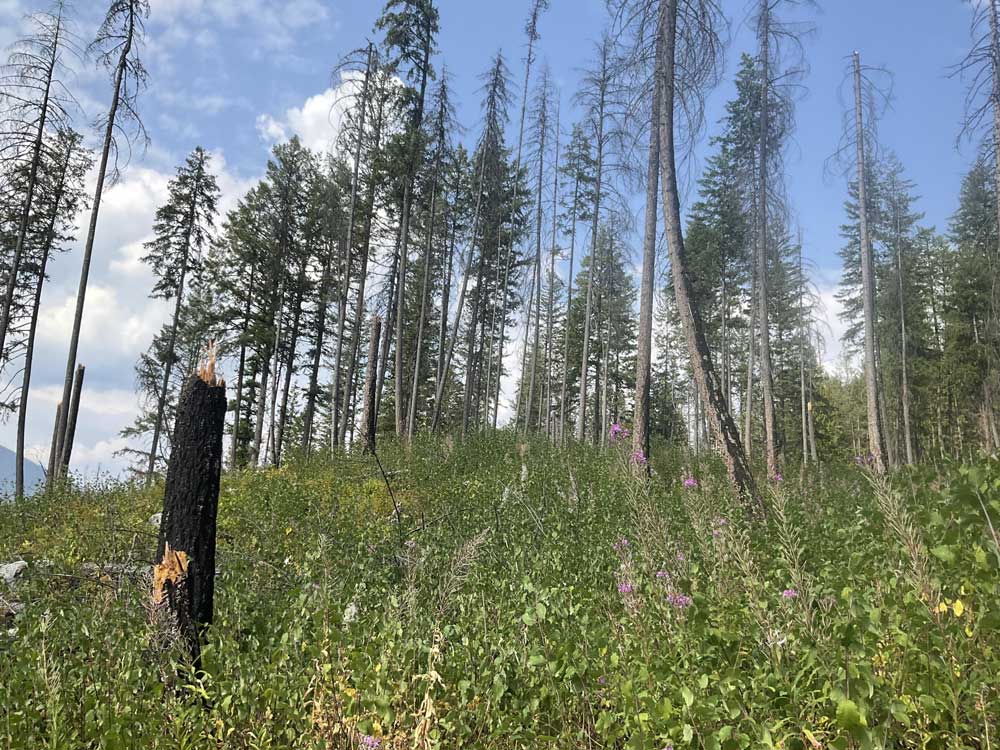
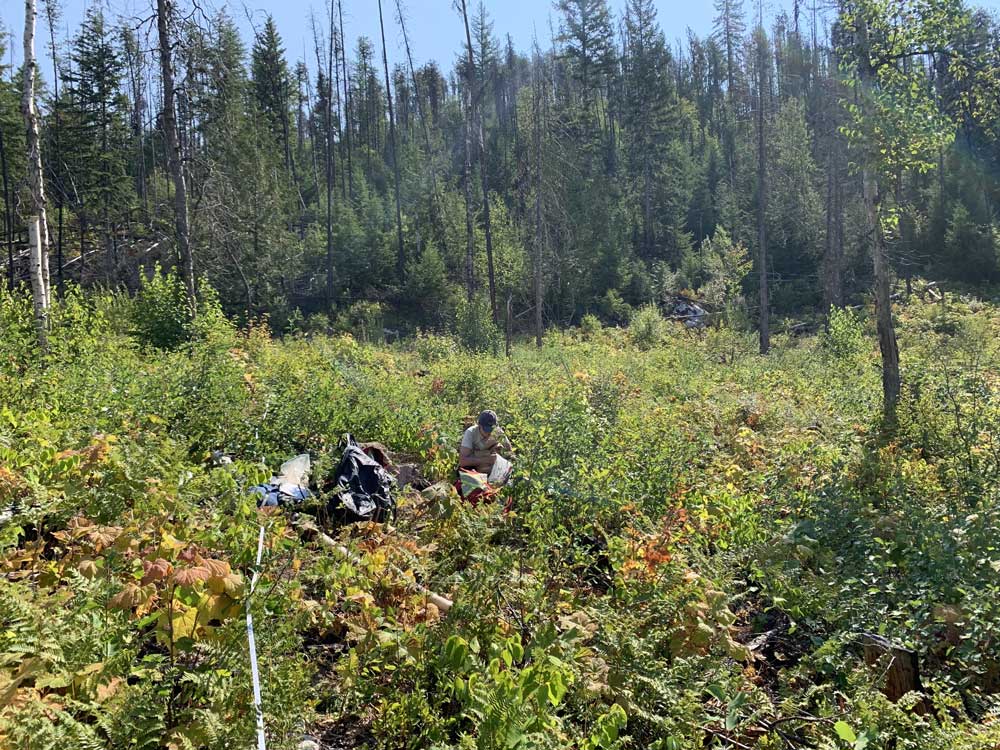
Photo credit: Mother Tree Project & Program