


In April, members of the Mother Tree Project published their most recent paper: Short-term carbon, biodiversity, and forest structure responses to a fire risk reduction treatment in Interior British Columbia, Canada. This paper highlights the importance of site-specific treatment prescriptions as well as the need for further research within British Columbia. Through this work, we can gain a better understanding of the impacts of fire treatments and design management strategies that work to meet both risk reduction and ecological goals. You can read the research brief on our website or take a look at the article in Frontiers in Forests and Global Change.
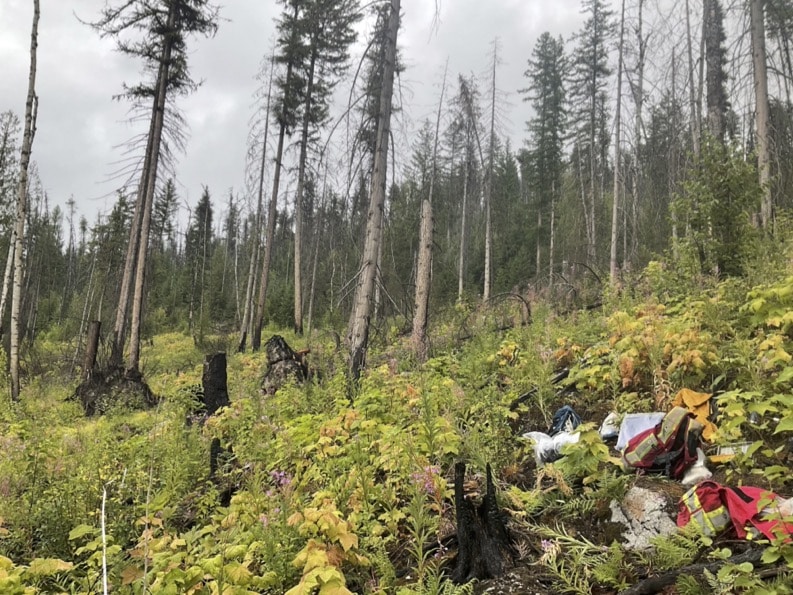
Research Site
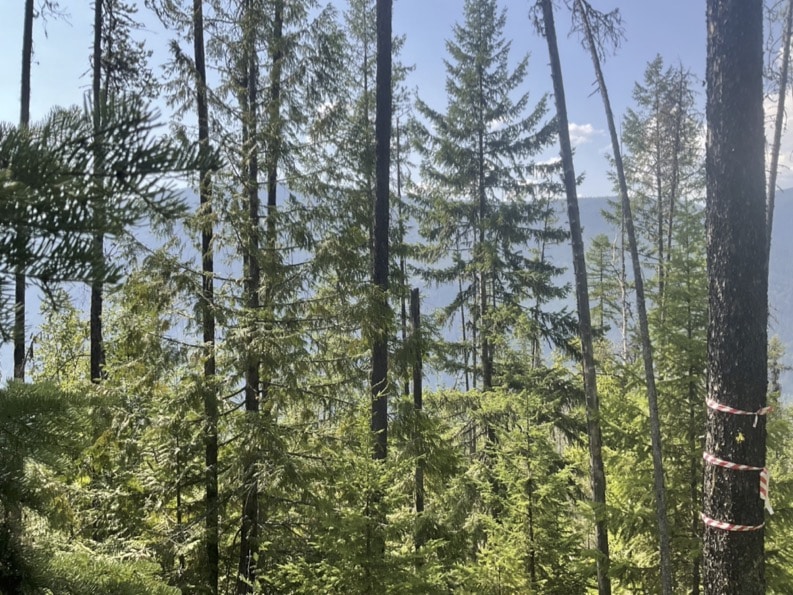
Control Site
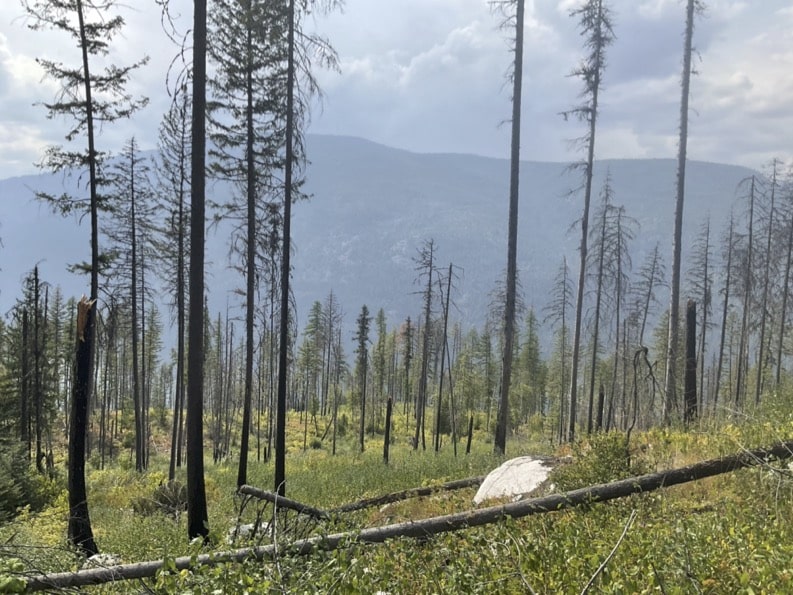
Treated Site
Haida Gwaii Relationship Building
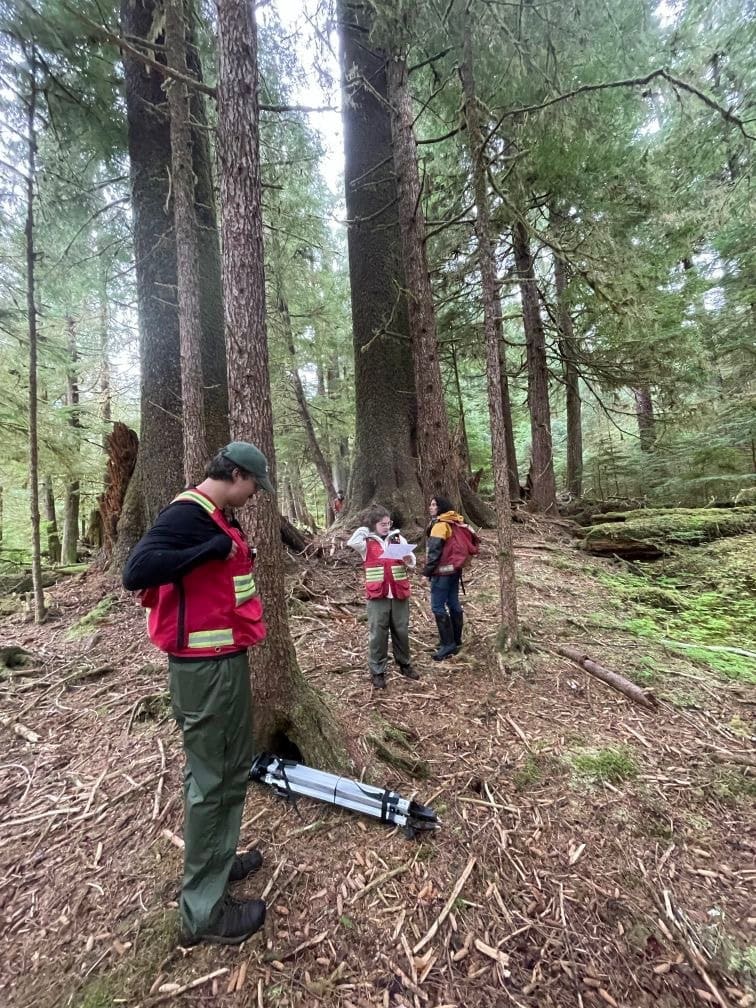
Understanding the true ecological value of old-growth forests begins with observing them. This spring, members of the Mother Tree team joined colleagues from the Integrated Remote Sensing Studio, led by Dr. Nicholas Coops, on Haida Gwaii to advance research using drone and LiDAR technology that is intended to improve observations and measurements of large, old-growth trees. Existing scientific methods often underestimate the size and ecological importance of these forest giants. By developing more accurate measurements, the collaboration will strengthen our understanding of old-growth ecosystems and help inform their long-term stewardship.
The visit also included community gatherings in Masset and HIGaagilda Skidegate, where researchers shared recent forest carbon findings from the forests of Xaaydaga Gwaay.yaay iinagwaay Graham Island. The gatherings provided opportunity for conversation, questions, and the sharing of perspectives, bringing research findings together with Indigenous knowledge and community experience. Together, the field research and community dialogue demonstrate how advancing forest science is strengthened through respectful relationships, Indigenous leadership, and ongoing collaboration.